
Easy Filing System
Welcome to your personal roadmap for setting up the Easy Filing System — a clear, clutter-free way to take control of your paper records. Maybe your current “system” is a filing cabinet you haven’t opened in years, a few boxes tucked in closets, or piles of paper scattered in drawers and on countertops. If it’s not keeping you organized or helping you stay on top of things, it’s time for a change.
This simple step-by-step method will help you build a new system — one that actually works. You can update and improve what you already have, or start fresh if that feels easier. Either way, you’ll end up with a setup that keeps you in control of your paperwork and gives you peace of mind.
Step 1: Choose Your Folder Categories
You’re about to create a filing system built around a foundation of clearly labeled folders.
Our first step is to decide what those labels should be.
To make this easy, fill out the short survey below. It will walk you through common filing categories and give you space to add your own unique categories.
Once you submit your answers, Anney will send you a printable sheet of folder labels customized to your selections so you can set up your Easy Filing System.
STEP 2: Gather Your Supplies
To stay ahead of paper clutter, you’ll need a few essential tools to create a simple, effective system.
File Cabinet, File Box, or Alternative Container
This is where your important documents will find a permanent home in your Paper Pipeline. A dedicated container ensures that your system stays organized and that your papers are safe, accessible, and easy to maintain.
You can use whatever suits your space and style best:
File Cabinet
A traditional, sturdy solution—great if you already have one. It offers high capacity and is ideal for long-term storage. Be sure it’s set up for letter-size hanging folders.
Portable File Box
Compact and easy to move, a plastic or decorative file box is a popular choice for small spaces. These boxes are designed to hold hanging folders and can sit neatly on a shelf, in a closet, or under a desk. Anney likes this one from Staples.
Creative Options
Some people choose stylish furniture that doubles as storage—like an ottoman with a hidden file box, or a decorative basket or bin with rails added inside. The key is that it’s functional and fits your home.
What to Look For:
-
-
Supports letter-size hanging folders
-
Fits your space and can be accessed easily
-
Offers enough room for your current categories, with room to grow
-
Hanging file folders (20-25)
These folders are the backbone of your filing cabinet and keep your paperwork sorted, easy to find, and neatly stored. These folders hang from the rails of your file box or drawer.
Where to Buy:
-
-
-
Staples offers a wide selection of sturdy hanging folders, available in standard green or assorted colors. Look for packs of 25 or 50, with built-in plastic tabs and paper inserts for easy labeling.
-
Dollar Stores are a budget-friendly option. You may find smaller packs of 6–10 folders. These may be lighter in quality, but they work well for getting started or expanding your system affordably.
-
-
What to Look For:
-
-
-
Standard letter-size hanging folders (9.25” x 11.75”) – to fit most file boxes or drawers.
-
Plastic tabs and insertable labels – included in most packs; these let you clearly label each folder.
-
Assorted colors (optional) – useful if you prefer color-coding by category (e.g., red for financial, blue for health, etc.).
-
-
Tip: If you’re setting up your files in a portable file box, double-check the width of the box to ensure your folders will fit properly.
File Folders (50 folders)
File folders sit inside your hanging folders and hold the actual papers. Each file folder contains a specific group of documents and makes it easy to pull out just what you need without disturbing the whole system.
You’ll want to start with 50 standard file folders. These should be letter size (8.5” x 11”), and you can choose between manila (plain) or colored versions, depending on your preference.
Where to Buy:
-
Staples – Sells sturdy, high-quality folders in packs of 25, 50, or 100. Options include standard manila folders or a range of colors.
-
Dollar Stores – Offer more economical packs, often with 6–12 folders. These may be slightly thinner but still work well for basic filing.
What to Look For:
-
Letter-size folders (not legal-size unless your system is designed for them)
-
1/3-cut tabs – These give you space to write a short label and stagger across the top so labels are easy to read
-
Plain manila or assorted colors – Use what appeals to you. Color can help with visual organization but isn’t necessary.
Optional: Reinforced tab folders last longer, especially in high-use categories.
STEP 3: Set Up Your Folders

Label your Hanging Files.
If you submitted your selection of file categories in the previous step you will receive a printable list with the Folder from Anney soon.
Simply print it out, cut out the FOLDER labels and slide them into the plastic sleeves that come with your hanging folders.
Alternatively you can write the labels on the little cards by hand.
Label the file folders.
If you submitted your Folder Category survey above, print the File Folder Name labels that Anney sends you on label paper. Anney will send setup and printing instructions with the printable file.
For a simpler setup, write the File Folder Name on each label tab in big bold letters.
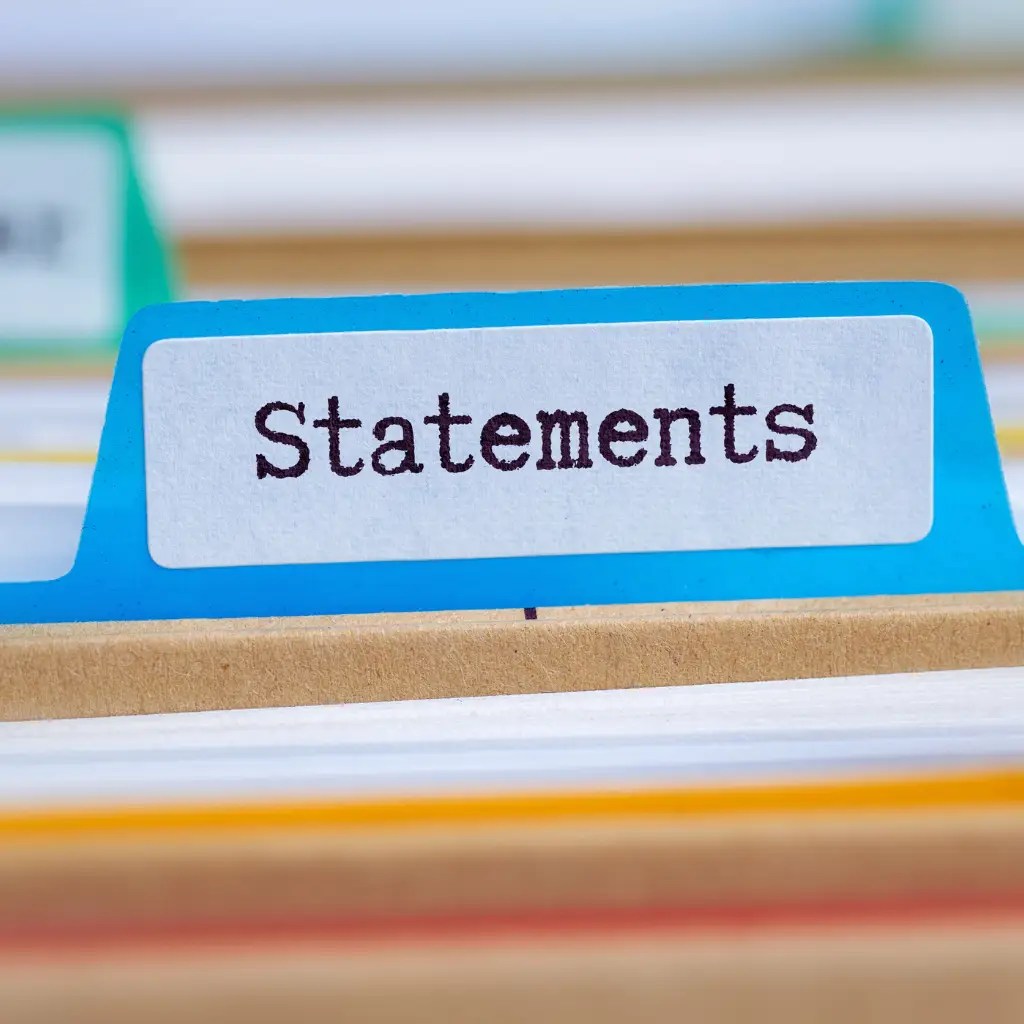
Assemble your file box or cabinet.
- Put the hanging folders in place.
Try to keep the labels in alphabetical order from front to back, or if you prefer, set up the folders by frequency of use or use another classification system that makes sense to you. - Place each file folder in the right Hanging Folder.
Again, within the hanging folder, try to stay consistent with your classification system so keep the files in alphabetical order, for example.

Once you have chosen your Filing Categories, assembled your supplies,
and labelled and set up your hanging folders and files in your file box or cabinet,
you are ready to proceed.
 Anney Ardiel Consulting